Guide / Skills
SkillsRappelling on wet rope: what's different
Abseiling in a canyon is not the same as on a dry crag. Why wet rope behaves differently, and how canyoneers manage it.
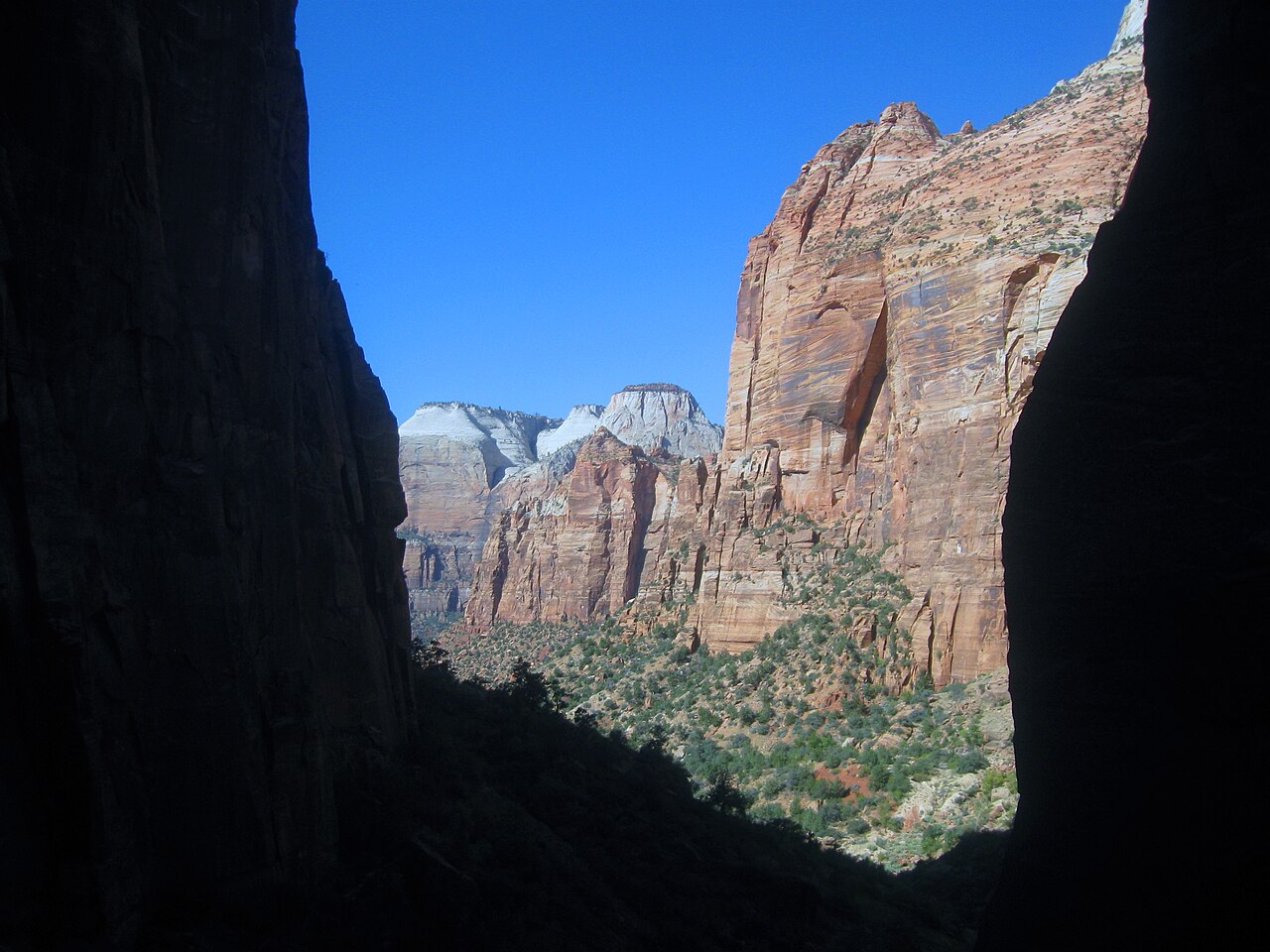
Photo: The Dye Clan · CC BY-SA 3.0, Wikimedia Commons
Guide / Skills
SkillsAbseiling in a canyon is not the same as on a dry crag. Why wet rope behaves differently, and how canyoneers manage it.
Photo: The Dye Clan · CC BY-SA 3.0, Wikimedia Commons
A climber stepping into their first canyon often gets a surprise on the first rappel: the rope feels alive, the descender behaves differently, and the spray makes everything harder to control. Wet-rope abseiling is a distinct skill, and understanding why it differs is the first step to doing it well.
Water changes the friction between rope and descender. A wet, and especially a muddy, rope can run faster through a device than a dry one — or, with the wrong device, grab unpredictably. Canyon ropes are also semi-static, with very little stretch, so there is no dynamic give to smooth out a jerky descent. The result is a rappel that demands more deliberate braking and a calmer hand.
The variability is the real challenge. The same rope can be slick and fast where it has been soaking in a pool and grabbier where it is merely damp, so the friction can change within a single descent. A climber's instinct — set the device, lean back, trust the friction — has to be replaced with active management: feeling what the rope is doing and adjusting moment to moment rather than expecting a constant, predictable feed.
This is why canyoneers use dedicated descenders rather than a climber's belay device. Canyon-specific devices let you add or release friction mid-descent — vital when you pass from dry rock into the full force of a waterfall, where the water itself pushes you down and the rope's behaviour changes in an instant. Learning to adjust friction on the move is a core canyon skill.
Most canyon descenders work by letting you wrap the rope around horns or bollards to add friction, or lift it off to release some, all without unclipping from the device. Before you start down, you read the drop — how long, how wet, how much the flow will push you — and set a friction you expect to be about right, then fine-tune it as you go. Setting it once and hoping, the way you might on a short dry abseil, is exactly the habit a canyon will punish.
Descending through falling water adds problems a dry crag never poses. The flow hammers on your head and shoulders, makes it hard to see and breathe, and can pin you against the rock or push you off your feet. Canyoneers learn to read where the water lands and rig to one side of the main flow where they can, to keep their head clear and look down past the curtain, and to keep moving steadily through the heaviest part rather than stopping in it. A drop that is trivial in low water can become genuinely dangerous in high flow — which is, again, why the weather and water level decide everything.
Canyoneers think hard about rope length and retrievability, because a rope that ends in a hydraulic, or that jams on retrieval above a committing drop, can trap a whole team. Releasable rigging systems — which let the rope be lowered or adjusted from above even under load — are a defining feature of canyon technique, and a major reason the sport trains its own distinct skill set. Just as important is making sure the rope reaches: a knot in the end, or a clear-eyed check that both ends are below the drop, prevents the classic and lethal mistake of rappelling off the end into deep or moving water.
Confident climbers sometimes have the hardest first day, because instincts that serve them on a crag work against them in a canyon. They set the device once and forget it, instead of managing friction as the rope wets and dries. They descend fast and bounce, which a stretchy climbing rope absorbs but a semi-static canyon rope transmits straight into the anchor. And they trust a single belay device the way they would on a sport route, where a canyoneer wants a backup while learning and a plan for what happens if they have to stop mid-drop in moving water.
The deeper shift is mental. On a crag, stopping on the rope to rest or sort a problem is free; in a canyon, the spot where you stop might be under a pounding waterfall or above a pool you cannot see into, so you plan the whole descent before you commit to it — where you will land, where the next anchor is, what you will do if the rope snags. Add the cold, the noise that swallows shouted instructions, and the fact that the rock is wet and slick, and it becomes clear why wet-rope rappelling is taught as its own discipline rather than treated as abseiling with extra water.